Column · @elliottgxqd884
Basement Waterproofing NJ Strategies for Heavy Rain and Flooding

New Jersey basements take a beating. A week of steady rain can push groundwater up against a foundation for days. One fast summer storm can dump enough water to overwhelm old drains, clog exterior leaders, and turn a hairline crack into a wet basement. Along the shore, high water tables and storm surge add pressure from below. Inland, older homes with stone or block foundations often have decades of patchwork repairs hiding behind finished walls.
That is why Basement Waterproofing NJ is not one single service. It is a set of decisions shaped by soil, drainage, foundation type, elevation, and the way water behaves on a specific lot. A fix that works on a gently sloped yard in Morris County may fall short in a low-lying neighborhood in Bergen or Middlesex. The strongest waterproofing plans are not built around a product. They are built around diagnosis.
After enough years around wet basements, certain patterns repeat. Water rarely enters for just one reason. It usually shows up where two or three weaknesses overlap. A downspout discharges too close to the wall, the grading settles, and the cove joint starts seeping during heavy storms. A sump pump works fine for years, then the power goes out at the exact wrong time. A finished basement looks perfect until the first nor'easter leaves damp carpeting and a musty smell that lingers for months.
The good news is that most basement water problems are manageable when they are approached in the right order.
What heavy rain does to a New Jersey foundation
Water moves in predictable ways, but houses complicate the picture. During prolonged rain, the soil around a foundation becomes saturated. Clay-heavy soils, common in parts of New Jersey, can hold water and drain slowly. That raises hydrostatic pressure, which is simply water pushing against foundation walls and under the slab. Pressure exploits weak points, not just obvious openings. Water can come through wall cracks, porous block, the joint where the floor meets the wall, utility penetrations, or old tie-rod holes.
Flooding does not always mean standing water from a nearby river or street. In many basements, flooding starts as subsurface pressure. A homeowner may say, "We never had a leak until that storm," but in reality the system was close to failure for years. One exceptional rain event just exposed the limit.
Older New Jersey homes are especially vulnerable for a few reasons. Many were built before modern drainage standards became common. Exterior footing drains may be missing, crushed, or packed with silt. Some foundations were parged and painted repeatedly, which can hide moisture problems rather than solve them. In finished basements, insulation and drywall often delay discovery. By the time staining appears, moisture may have been trapped behind the wall for a long time.
That is also why quick cosmetic fixes are so often disappointing. Waterproof paint has its place in minor dampness situations, but it is not a cure for active water intrusion under pressure. If water is pushing inward, a surface coating usually becomes a temporary bandage.
Start outside, because that is where most problems begin
The best waterproofing dollars are often spent before anyone opens a basement wall. Exterior water management is the first line of defense, and many wet basements improve dramatically when runoff is controlled.
Roof drainage matters more than people think. A standard residential roof sheds a surprising volume of water in a hard storm. If gutters overflow or downspouts discharge next to the house, all that runoff drops into the same narrow soil zone that surrounds the footing. That is the exact area you want as dry as possible. I have seen basements take on water simply because one buried downspout extension collapsed underground and backed up at the foundation during every major rain.
Grading is another frequent issue. Over time, mulch beds rise, patios settle toward the house, and planting areas turn into shallow bowls. The original slope that once sent water away disappears an inch at a time. Those inches matter. Water does not need a dramatic downhill path to reach a foundation. It only needs enough opportunity to linger and soak.
Hardscaping can make or break a waterproofing plan. Walkways, stoops, driveway aprons, and window wells often trap water against the house if they were installed without proper pitch or drainage. In some homes, the real source of a basement leak is not the wall itself but a sunken front step that funnels roof water along the foundation.
A solid exterior review should include roof runoff, grading, low spots, window wells, nearby hard surfaces, and where water goes after it leaves the downspout. If no one has looked at all of those together, the diagnosis is incomplete.
The difference between dampness, seepage, and true flooding
Homeowners often use the word "flooding" to describe anything from a damp corner to several inches of water across the slab. For planning purposes, the difference matters.
Dampness is usually moisture vapor or minor condensation. It can come from humid summer air hitting cool basement surfaces, especially in homes without dehumidification. Seepage is water entering in small but recurring ways, commonly at the cove joint or through porous masonry during heavy rain. Flooding is a larger water event, often tied to overwhelmed drainage, sump failure, sewer backup, or rapid surface water entry.
Those categories overlap. A basement with chronic humidity may also have seepage during storms. A home with a sump pump may stay dry for years and then flood when the pump fails in a power outage. The right Basement Waterproofing NJ plan has to address the full range of conditions, not just the worst day on record.
Here are some warning signs that a basement waterproofing problem is developing before major flooding occurs:
- white mineral deposits on walls or floor edges
- peeling paint or bubbling wall coatings
- musty odors that return even after cleaning
- rust on bottom portions of metal appliances or shelving
- recurring damp spots after heavy rain
Those signs are easy to shrug off, especially when they seem minor. Yet they are often the early clues that water is moving through the foundation assembly.
Interior drainage systems and why they work
When exterior excavation is impractical or unnecessary, interior drainage is often the most reliable way to manage groundwater. This is especially true in finished basements, tight lot conditions, or homes where neighboring structures, porches, or mature landscaping make full exterior access difficult.
An interior system usually involves opening a section of concrete along the perimeter, installing a drainage channel or perforated pipe beside the footing, and directing collected water to a sump basin. The slab is then restored. When installed correctly, the system does not try to stop groundwater from reaching the foundation wall. Instead, it relieves pressure by giving water a controlled path to the sump before it can rise onto the floor.
That distinction matters. Homeowners sometimes worry that an interior system is "letting water in." In practice, the water is already there in the surrounding soil. The system captures it and removes it. In heavy-rain conditions common across New Jersey, that approach is often more dependable than relying on coatings or crack fillers alone.
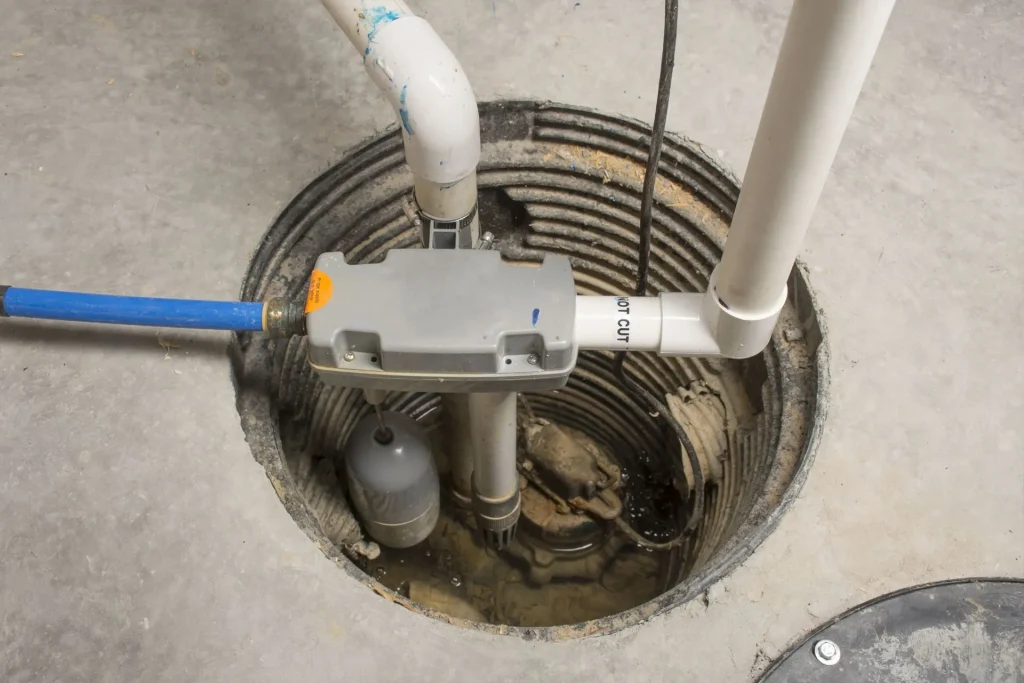
The details make the difference. Basin size, pump capacity, discharge location, check valves, sealed lids, and battery backup all affect performance. A bargain sump setup may work in moderate weather but fail during the exact conditions it was installed to handle. I have seen basins that were too shallow, pumps that short-cycled because the float had almost no travel, and discharge lines that froze in winter because they were routed without enough pitch or protection.
A proper sump discharge should move water far enough from the house that it cannot simply recirculate back toward the footing. On smaller lots, that may require careful planning to avoid sending water onto a neighbor's property or into an area that becomes an ice hazard.
Crack repair is important, but it is rarely the whole answer
Foundation cracks get a lot of attention because they are visible and easy to understand. Not every crack leaks, and not every leak comes from a crack. Still, when a crack is actively admitting water, it needs to be repaired.
Poured concrete foundations often respond well to injection repair, typically with epoxy or polyurethane depending https://lorenzobjtv391.nexorafield.com/posts/basement-waterproofing-nj-for-cleaner-air-and-lower-humidity-levels on the crack's behavior and whether structural bonding or water stopping is the priority. Block and stone foundations are more complicated because water can travel through cores, mortar joints, and irregular voids. In those walls, simply sealing the visible crack line may not catch the real path.
The judgment call is whether the crack is the primary problem or just one symptom of a broader drainage issue. If hydrostatic pressure remains high, a beautifully executed crack injection may stop one leak only for water to show up six feet away at the floor joint. That is why experienced contractors rarely diagnose from one photo. They want to know when the leak happens, how long it lasts, what the outside grade looks like, and whether the wall has signs of movement.
Structural concerns also need to be separated from waterproofing concerns. A small shrinkage crack can leak without indicating serious structural distress. A bowing wall, stair-step cracking, or lateral displacement is another matter entirely and may require engineering input alongside waterproofing work.
When exterior waterproofing is worth the disruption
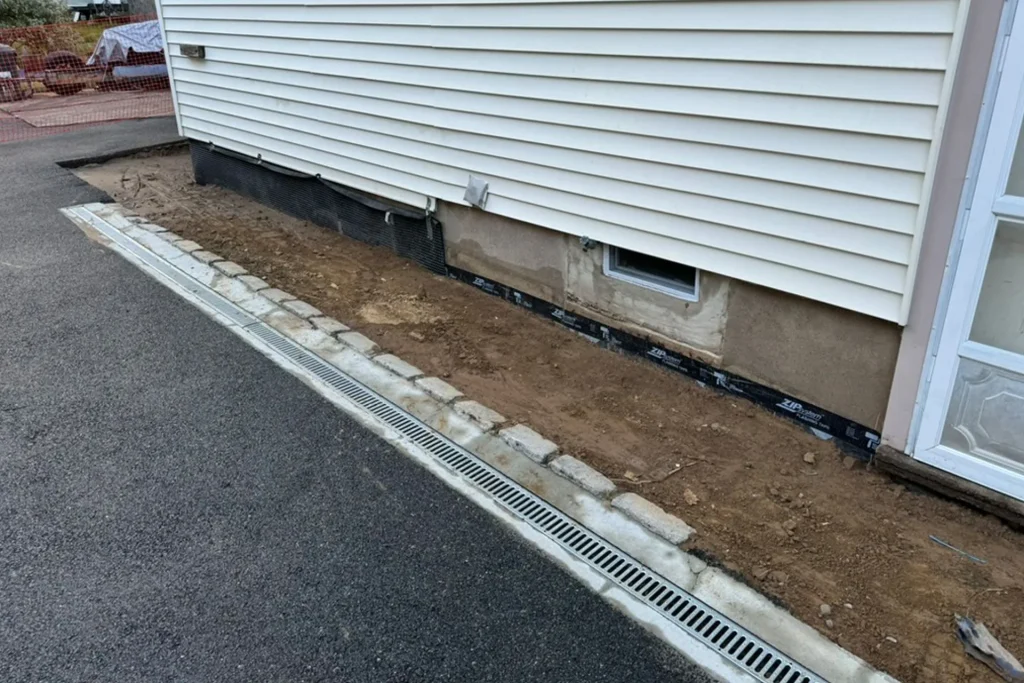
Interior systems solve many problems, but they are not always the best answer. In some cases, exterior excavation and membrane waterproofing are the right long-term move, particularly when foundation walls themselves are deteriorating or when water enters through above-grade wall sections, window wells, or specific penetrations that need direct outside access.
Exterior work is more invasive and typically more expensive. Landscaping, walkways, decks, and tight side yards can complicate the job. Yet for certain homes, especially those with persistent wall saturation or failing old parging, it provides the most complete reset. The wall is exposed, cleaned, repaired, waterproofed, often fitted with drainage board, and tied into footing drainage improvements.
This approach can be very effective, but it also invites bad shortcuts. A thin coat of tar brushed onto a wall is not the same as a modern waterproofing assembly. Nor is excavation alone a guarantee of success if the discharge path for footing drains remains poor. Exterior work must be thought through from top to bottom, from roof runoff to final exit point.
In New Jersey, exterior projects should also account for freeze-thaw cycles and varying soil conditions. A membrane that looks fine on installation day still has to perform after backfill settles, roots grow, and several winters pass. Durability matters as much as initial coverage.
The sump pump is the heart of the system, and it needs backup
A surprising number of flooded basements happen in homes that already had waterproofing. The missing piece was resilience. Heavy storms often bring power outages, and that is exactly when a sump pump is needed most.
At minimum, a basement with an interior drainage system should be evaluated for backup pumping capacity. Battery backups are common and useful, though their runtime depends on battery quality, maintenance, and how much water is entering during the event. Water-powered backup pumps are another option in some homes, though they depend on municipal water pressure and are not suitable in every situation. High-value finished basements sometimes justify a secondary AC pump set slightly higher in the basin, so a second unit takes over if the first fails or cannot keep up.
Homeowners should also know the age of their pump. Sump pumps are not lifetime devices. A unit that has run dependably for seven to ten years may still be nearing the end of its practical service life, especially if it cycles often. Replacing an aging pump before failure is usually cheaper than dealing with a wet basement after failure.
A few maintenance habits pay off every year:
- test the pump before storm season by adding water to the basin
- inspect the discharge line for blockage, freezing risk, or separation
- confirm the check valve is installed and working properly
- replace backup batteries on the schedule recommended by the manufacturer
- keep the basin accessible, not buried behind storage or finished trim
That list looks basic, and it is. Yet simple neglect is behind many avoidable flood losses.
Finished basements need a different waterproofing mindset
Waterproofing an unfinished utility basement is one thing. Protecting a finished lower level with flooring, trim, insulation, and furniture is another. The consequences are higher, and so is the need for thoughtful material choices.
If a basement has any history of seepage or elevated humidity, traditional finish materials can become liabilities. Fiberglass batt insulation behind finished walls, paper-faced drywall near the slab, and wall-to-wall carpet over concrete all make recovery harder after even a minor water event. Once they get wet, odor and mold risk rise quickly.
A more resilient approach uses moisture-tolerant materials and leaves inspection access where it counts. That can mean rigid foam in the right assembly, raised or inorganic subfloor systems, tile in vulnerable areas, and base details that do not trap water unseen. Mechanical rooms, pump basins, and cleanouts should remain accessible. A beautifully finished basement that prevents inspection is asking for a surprise.
Dehumidification is part of waterproofing in finished spaces. Even a dry basement can feel damp in New Jersey summers if relative humidity climbs above comfortable levels. That moisture may not be a leak, but it still affects air quality, odor, and finishes. A dedicated dehumidifier, preferably draining automatically, often makes the space more stable year-round.
Sewer backups, storm drains, and issues waterproofing alone cannot solve
Not every basement flood is a foundation problem. During intense storms, municipal systems can surcharge, old sewer laterals can back up, and floor drains can become entry points for contaminated water. A homeowner may assume they need more waterproofing when the bigger issue is sewer protection.
Backwater valves can help in the right plumbing configuration, but they must be selected and installed properly. Homes with below-grade fixtures, ejector systems, or complex drain layouts require a careful review. It is a mistake to treat sanitary backup, stormwater intrusion, and groundwater seepage as the same problem. They are different failure modes with different remedies.
This is where site history helps. If neighbors report similar backups during the same storms, that points one way. If one corner of the basement seeps during long rains but there is no drain backup, that points another. The best contractors ask those questions because the wrong scope of work wastes money.
Choosing the right strategy for your house, not someone else's
The phrase Basement Waterproofing NJ covers a wide range of homes, from century-old colonials with fieldstone walls to newer houses with poured concrete foundations and finished walkout basements. Strategy should follow conditions.
A home with overflowing gutters, poor grade, and one isolated crack may improve significantly with exterior corrections and targeted repair. A house with chronic cove seepage and a high seasonal water table may need a full interior drainage system with reliable sump and backup. A property with deep window wells collecting runoff may require drainage upgrades outside before anything else. A finished basement with previous flood loss may justify both interior waterproofing and more resilient remodeling choices.
Price alone is a poor filter. The cheapest quote often excludes the details that matter during a real storm, while the most expensive quote may recommend more demolition or excavation than the house actually needs. What matters is whether the proposed work matches the mechanism of water entry.
Ask practical questions. Where is the water believed to be entering, and why? What happens to water after the system collects it? How is the sump protected in a power outage? What maintenance will the system require? If excavation is proposed, how will nearby stoops, patios, or plantings be handled? If crack repair is proposed, what evidence suggests the crack is the primary source rather than a side effect of broader pressure?
Clear answers separate diagnosis from salesmanship.
Timing matters more than many homeowners realize
Basement waterproofing is easier to schedule than emergency cleanup, but many projects start only after damage occurs. That is understandable. People live with a little dampness because it seems manageable, then one severe storm turns a nuisance into a renovation.
Late summer thunderstorm season and the long rainy stretches of spring are common turning points in New Jersey. Those are the periods when weak systems are exposed. If a basement has shown warning signs even once, a dry week is the right time to investigate, not the next wet one.
There is also value in documenting conditions. Photos after storms, notes about where water appears, and timing relative to rainfall can help narrow the problem faster than guesswork. Was the leak immediate or delayed by several hours? Did it occur only after the gutter overflowed? Did the sump run continuously? Those details tell a story that one quick inspection may miss.
Waterproofing is one of those trades where patience up front often saves money later. A careful diagnosis, the right combination of exterior and interior controls, and a realistic plan for backup power and maintenance usually outperform any miracle coating or one-size-fits-all pitch. Heavy rain and flooding are facts of life in New Jersey. A wet basement does not have to be.
ARD Waterproofing
Address: 98 Smull Ave, West Caldwell, NJ 07006
Phone number: +12016465936
FAQ About Basement Waterproofing NJ
What is the best waterproofing method for a basement?
The best overall approach to waterproofing a basement is a combined exterior and interior system that stops water at the foundation wall and safely manages any moisture that gets through.
What is the average cost to waterproof a basement?
The average cost to waterproof a basement ranges from $2,500 to $15,000, with most homeowners paying around $5,200 for a complete project.
Can a basement be waterproofed from the inside?
Yes, a basement can be waterproofed from the inside, and it is often the most affordable and least disruptive method.